
How to Choose the Right Surveillance Camera
2024-12-03
Choosing the right surveillance camera is crucial when it comes to securing your property, whether it is your home or business. With so many options available, it can be overwhelming to make the right choice. Here are some tips on how to find the perfect surveillance camera that will meet your needs.
1. Determine the Purpose of Your Camera: Before selecting a camera, it is essential to determine what you want it to capture. Will the camera be used for outdoor or indoor surveillance? Do you need to monitor people, vehicles, or both? Knowing the answer to these questions will help you select the camera that best fits your needs.
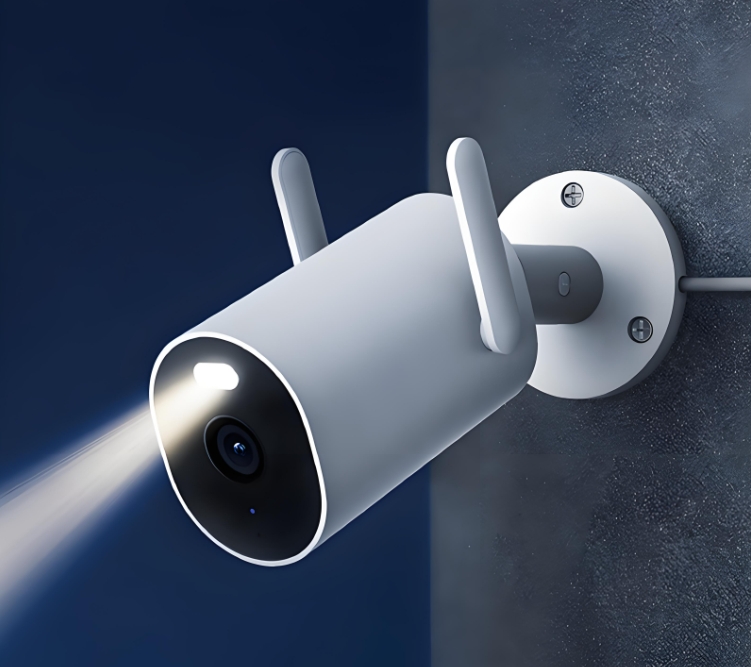
2. Choose the Type of Camera: There are several types of cameras available, including dome, bullet, and PTZ (pan-tilt-zoom) cameras. Dome cameras are ideal for monitoring indoor spaces, whereas bullet cameras are best suited for outdoor surveillance. PTZ cameras are perfect for monitoring large outdoor areas, as they can rotate, tilt, and zoom. Selecting the right type of camera depends on the location and purpose of your surveillance camera.
3. Determine the Resolution: The resolution of the camera determines the quality of the video captured. The higher the resolution, the better the picture quality. High definition (HD) cameras capture the best quality video and come in 720p or 1080p resolution. Ultra high-definition (UHD) cameras capture even better quality video and come in 4K or 8K resolution. If you want to capture clear footage, choose a camera with a higher resolution.
4. Decide on Night Vision: If your camera will be monitoring an area where there is little to no light, you may need a camera with night vision. Infrared (IR) cameras emit infrared light, allowing them to capture clear footage in very low-light conditions. For outdoor surveillance, it is essential to choose a camera with a long-range night vision capability.
5. Choose a Camera with the Right Field of View: The field of view (FOV) is the area that the camera captures. A camera with a wide FOV can capture a larger area, whereas a camera with a narrow FOV can capture a smaller area but with greater detail. Choosing a camera with the appropriate FOV depends on the size of the area you want to monitor.
In conclusion, selecting the right surveillance camera depends on the purpose, location, resolution, night vision, and field of view. Consider these factors carefully when choosing your camera to ensure you are getting the best possible surveillance footage.
1. Determine the Purpose of Your Camera: Before selecting a camera, it is essential to determine what you want it to capture. Will the camera be used for outdoor or indoor surveillance? Do you need to monitor people, vehicles, or both? Knowing the answer to these questions will help you select the camera that best fits your needs.
2. Choose the Type of Camera: There are several types of cameras available, including dome, bullet, and PTZ (pan-tilt-zoom) cameras. Dome cameras are ideal for monitoring indoor spaces, whereas bullet cameras are best suited for outdoor surveillance. PTZ cameras are perfect for monitoring large outdoor areas, as they can rotate, tilt, and zoom. Selecting the right type of camera depends on the location and purpose of your surveillance camera.
3. Determine the Resolution: The resolution of the camera determines the quality of the video captured. The higher the resolution, the better the picture quality. High definition (HD) cameras capture the best quality video and come in 720p or 1080p resolution. Ultra high-definition (UHD) cameras capture even better quality video and come in 4K or 8K resolution. If you want to capture clear footage, choose a camera with a higher resolution.
4. Decide on Night Vision: If your camera will be monitoring an area where there is little to no light, you may need a camera with night vision. Infrared (IR) cameras emit infrared light, allowing them to capture clear footage in very low-light conditions. For outdoor surveillance, it is essential to choose a camera with a long-range night vision capability.
5. Choose a Camera with the Right Field of View: The field of view (FOV) is the area that the camera captures. A camera with a wide FOV can capture a larger area, whereas a camera with a narrow FOV can capture a smaller area but with greater detail. Choosing a camera with the appropriate FOV depends on the size of the area you want to monitor.
In conclusion, selecting the right surveillance camera depends on the purpose, location, resolution, night vision, and field of view. Consider these factors carefully when choosing your camera to ensure you are getting the best possible surveillance footage.
Precautions for purchasing surveillance cameras
"Security Cameras: An Essential Tool in Modern Security Management"