
The difference between analog cameras and network cameras
2025-01-06

The difference between analog cameras and network cameras
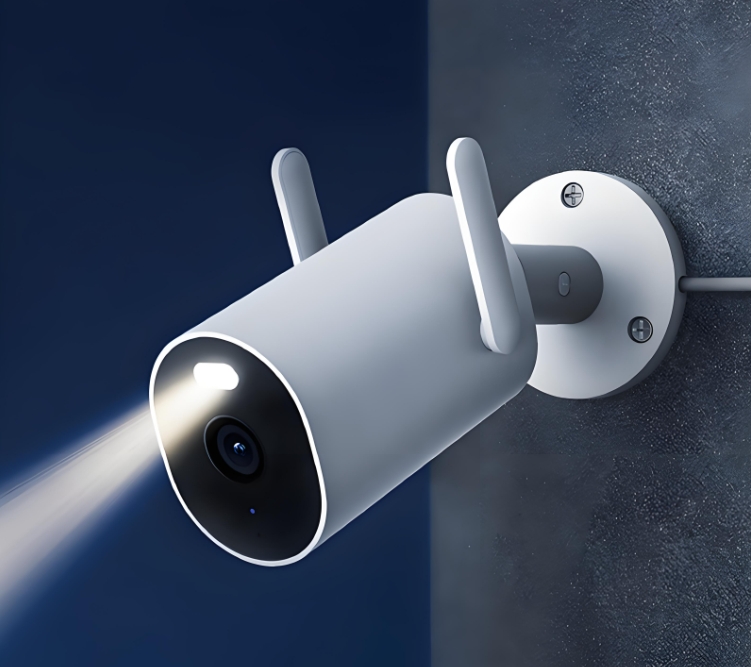
To start with, simulated cameras are devices that imitate real cameras and are often used as a cheaper alternative to the latter. They do not have the capability to capture images or videos, and are used solely for the purpose of deterrence. On the other hand, network cameras, also known as IP cameras, are real cameras that can capture high-quality images and videos and transmit them over a wireless network.
One of the main differences between simulated cameras and network cameras is their functionality. Simulated cameras are not equipped with lenses, sensors, or any other components that enable them to capture images or videos. They are simply designed to resemble real cameras and are often used as a deterrent to potential intruders or vandals. Network cameras, on the other hand, have all the necessary components to capture high-quality images and videos, which are transmitted over a network to be viewed on a computer, tablet, or smartphone.
Another difference between the two types of cameras is their cost. Simulated cameras are much cheaper to purchase and install than network cameras. They require no wiring or power supply and do not need to be configured. Network cameras, on the other hand, are more expensive to purchase and require professional installation and configuration. However, they offer superior quality and functionality than simulated cameras.
Finally, another key difference between the two types of cameras is their effectiveness. Simulated cameras can deter potential criminals, but they do not provide any real security. In contrast, network cameras can capture high-quality images and videos, which can be used as evidence for potential criminal investigations. They also offer remote access and monitoring, allowing users to keep an eye on their home or business from anywhere with an internet connection.
In conclusion, simulated cameras and network cameras differ in terms of their functionality, cost, and effectiveness. While simulated cameras can be used as a cheaper alternative, they do not provide any real security. Network cameras, on the other hand, offer superior quality and functionality, allowing users to capture high-quality images and videos and provide real security for their home or business.
One of the main differences between simulated cameras and network cameras is their functionality. Simulated cameras are not equipped with lenses, sensors, or any other components that enable them to capture images or videos. They are simply designed to resemble real cameras and are often used as a deterrent to potential intruders or vandals. Network cameras, on the other hand, have all the necessary components to capture high-quality images and videos, which are transmitted over a network to be viewed on a computer, tablet, or smartphone.
Another difference between the two types of cameras is their cost. Simulated cameras are much cheaper to purchase and install than network cameras. They require no wiring or power supply and do not need to be configured. Network cameras, on the other hand, are more expensive to purchase and require professional installation and configuration. However, they offer superior quality and functionality than simulated cameras.
Finally, another key difference between the two types of cameras is their effectiveness. Simulated cameras can deter potential criminals, but they do not provide any real security. In contrast, network cameras can capture high-quality images and videos, which can be used as evidence for potential criminal investigations. They also offer remote access and monitoring, allowing users to keep an eye on their home or business from anywhere with an internet connection.
In conclusion, simulated cameras and network cameras differ in terms of their functionality, cost, and effectiveness. While simulated cameras can be used as a cheaper alternative, they do not provide any real security. Network cameras, on the other hand, offer superior quality and functionality, allowing users to capture high-quality images and videos and provide real security for their home or business.
Application scenarios of 4G cameras and WiFi cameras
Smart Analysis Cameras: Applications and Benefits