
Application scenarios of 4G cameras and WiFi cameras
2025-01-13
Application scenarios of 4G cameras and WiFi cameras
With the rapid development of technology, cameras have become an essential part of our daily lives. The emergence of 4G cameras and Wi-Fi cameras has further expanded the application range of cameras. In this article, we will discuss the application scenarios of 4G cameras and Wi-Fi cameras.
4G cameras are equipped with a 4G network module, which can directly transmit data to the cloud without the need for a Wi-Fi network. Therefore, they are widely used in outdoor environments where Wi-Fi signals are weak or unavailable. For example, 4G cameras can be used to monitor traffic on highways, track the movement of wild animals in the forest, and monitor the construction of large projects at the construction site.
4G cameras can also be used in remote areas where there is limited network connectivity. For example, they can be used to monitor oil pipelines in the desert or to monitor the quality of air and water in rural areas. In addition, 4G cameras are also commonly used in public security and emergency situations, such as accidents, disasters, and riots.
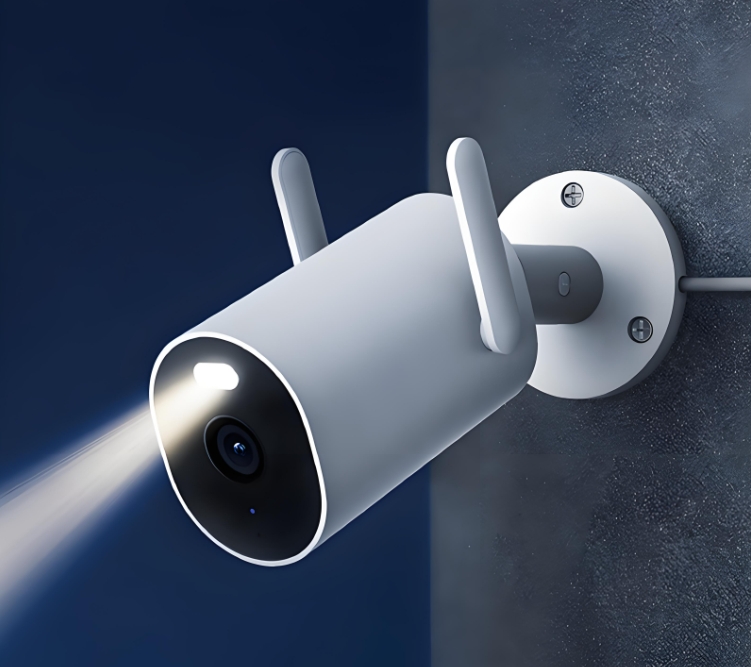
On the other hand, Wi-Fi cameras are commonly used in indoor environments. Wi-Fi cameras can be easily connected to a home or office Wi-Fi network, which allows the user to access the camera's live feed via a smartphone or computer. The user can also control the camera's movement and settings remotely, which makes Wi-Fi cameras ideal for home security and monitoring.
In addition, Wi-Fi cameras can be used for baby monitoring, pet monitoring, and elderly care. They allow the user to keep an eye on their loved ones remotely and ensure their safety and well-being. Wi-Fi cameras are also commonly used in retail stores and offices to monitor employee activity and prevent theft.
In conclusion, 4G cameras and Wi-Fi cameras have different application scenarios and are used for different purposes. 4G cameras are suitable for outdoor and remote areas, while Wi-Fi cameras are suitable for indoor and home monitoring. With the increasing demand for monitoring and surveillance, the application range of cameras will continue to expand in the future.
4G cameras are equipped with a 4G network module, which can directly transmit data to the cloud without the need for a Wi-Fi network. Therefore, they are widely used in outdoor environments where Wi-Fi signals are weak or unavailable. For example, 4G cameras can be used to monitor traffic on highways, track the movement of wild animals in the forest, and monitor the construction of large projects at the construction site.
4G cameras can also be used in remote areas where there is limited network connectivity. For example, they can be used to monitor oil pipelines in the desert or to monitor the quality of air and water in rural areas. In addition, 4G cameras are also commonly used in public security and emergency situations, such as accidents, disasters, and riots.
On the other hand, Wi-Fi cameras are commonly used in indoor environments. Wi-Fi cameras can be easily connected to a home or office Wi-Fi network, which allows the user to access the camera's live feed via a smartphone or computer. The user can also control the camera's movement and settings remotely, which makes Wi-Fi cameras ideal for home security and monitoring.
In addition, Wi-Fi cameras can be used for baby monitoring, pet monitoring, and elderly care. They allow the user to keep an eye on their loved ones remotely and ensure their safety and well-being. Wi-Fi cameras are also commonly used in retail stores and offices to monitor employee activity and prevent theft.
In conclusion, 4G cameras and Wi-Fi cameras have different application scenarios and are used for different purposes. 4G cameras are suitable for outdoor and remote areas, while Wi-Fi cameras are suitable for indoor and home monitoring. With the increasing demand for monitoring and surveillance, the application range of cameras will continue to expand in the future.
Customers Visit Surveillance Camera Factory for Innovation and Quality
The difference between analog cameras and network cameras