
"Security Cameras: An Essential Tool in Modern Security Management"
2024-11-30

With the rapid development of technology, security cameras have become an essential tool in the field of security management. Security cameras are widely used in many industries such as finance, transportation, entertainment, education, and residential areas.
The purpose of security cameras is to monitor and record the activities of people and objects in a specific area. They are often used to deter crime and respond quickly to security threats. In addition, security cameras can provide valuable evidence for criminal investigations.
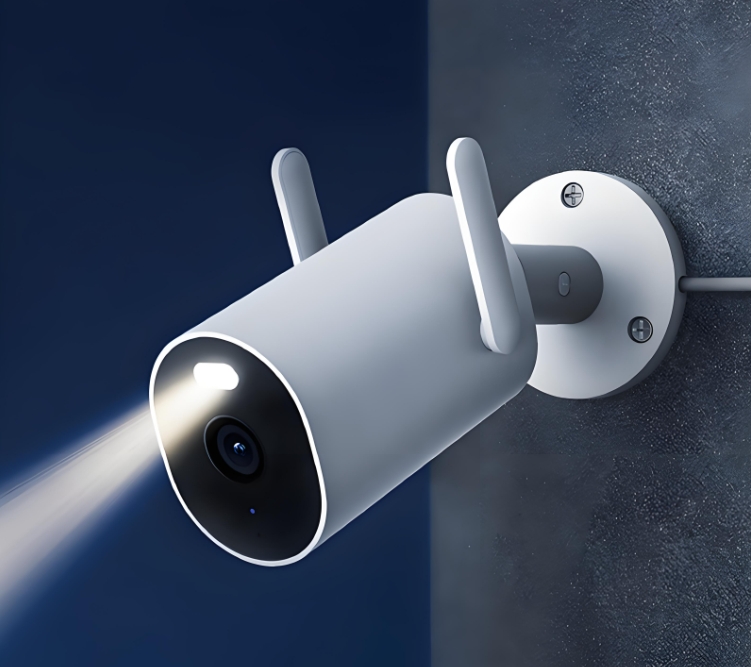
There are various types of security cameras available, such as IP cameras, dome cameras, bullet cameras, and PTZ cameras. Each type of camera has its unique features, advantages, and disadvantages. For example, PTZ cameras can rotate 360 degrees and zoom in and out remotely, making them ideal for large outdoor areas. Dome cameras are compact and ideal for indoor areas, while bullet cameras are more visible and can serve as a deterrent.
More recently, AI technology has been integrated into security cameras, allowing them to perform more advanced functions such as facial recognition, behavior analysis, and object detection. These features enhance the efficiency and accuracy of security cameras.
Finally, the use of security cameras has raised privacy concerns. Therefore, it is crucial to abide by the ethical and legal guidelines when deploying security cameras. It is also important to maintain proper data security and protect the confidentiality of any recorded footage.
In conclusion, security cameras have become an essential tool in the security management industry. Their availability in different forms and features means they can be widely utilized. AI technology integration has elevated their role even further. Therefore, it is essential to ensure they are used correctly, legally and ethically to avoid privacy concerns.
The purpose of security cameras is to monitor and record the activities of people and objects in a specific area. They are often used to deter crime and respond quickly to security threats. In addition, security cameras can provide valuable evidence for criminal investigations.
There are various types of security cameras available, such as IP cameras, dome cameras, bullet cameras, and PTZ cameras. Each type of camera has its unique features, advantages, and disadvantages. For example, PTZ cameras can rotate 360 degrees and zoom in and out remotely, making them ideal for large outdoor areas. Dome cameras are compact and ideal for indoor areas, while bullet cameras are more visible and can serve as a deterrent.
More recently, AI technology has been integrated into security cameras, allowing them to perform more advanced functions such as facial recognition, behavior analysis, and object detection. These features enhance the efficiency and accuracy of security cameras.
Finally, the use of security cameras has raised privacy concerns. Therefore, it is crucial to abide by the ethical and legal guidelines when deploying security cameras. It is also important to maintain proper data security and protect the confidentiality of any recorded footage.
In conclusion, security cameras have become an essential tool in the security management industry. Their availability in different forms and features means they can be widely utilized. AI technology integration has elevated their role even further. Therefore, it is essential to ensure they are used correctly, legally and ethically to avoid privacy concerns.
How to Choose the Right Surveillance Camera
Application of AI Home Security Camera